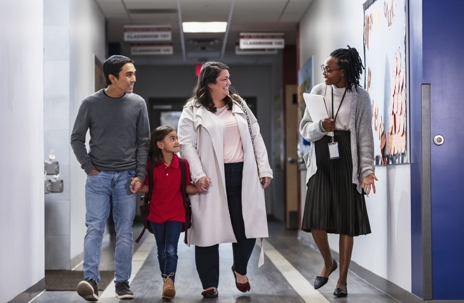
Successfully navigating parent-teacher conferences as co-parents requires strategic planning and unified communication. When child custody arrangements involve shared educational responsibilities, presenting a collaborative approach benefits your child's academic success and emotional well-being.
Understanding the Dynamics of Co-Parenting
Recognizing Different Co-Parenting Styles
Co-parenting relationships typically fall into parallel or cooperative styles, each affecting school interactions differently. Parallel co-parenting minimizes direct contact but may create inconsistent messaging, while cooperative co-parenting requires frequent communication and fosters unified decision-making during educational meetings.
Establishing Clear Communication Channels
Effective communication through emails, texts, or in-person meetings creates the foundation for coordinated educational approaches. Regular exchanges using shared calendars and neutral tones minimize misunderstandings and ensure both parents remain equally informed about their child's academic progress and school events.
Preparing for the Fall Parent-Teacher Conference
Aligning Parental Goals and Expectations for the Conference
Co-parents should discuss key topics and develop shared questions before the conference to present a unified front. Focusing on both academic performance and social development ensures a comprehensive understanding while demonstrating collaborative commitment to the child's educational journey.
Scheduling and Logistics Planning
Coordinating schedules well in advance allows both parents to attend and emphasizes their shared involvement with teachers and children. Planning transportation, meeting locations, and contingency plans reduces stress and maintains focus on educational discussions rather than logistical challenges.
Effectively Participating in the Conference
Presentation and Behavior During the Conference
Maintaining respectful, cooperative behavior during conferences creates productive interactions with educators and demonstrates unified support for the child. Setting aside disagreements for separate discussions ensures the meeting focuses on constructive teacher feedback and collaborative educational planning.
Key Questions to Ask Teachers
Essential Questions for Parent-Teacher Conferences:
- How is my child adapting socially and academically in the classroom?
- What specific challenges or strengths have you observed?
- What at-home strategies would best support their learning?
- Are there upcoming academic milestones we should prepare for?
- How can we better coordinate between home and school environments?
Taking detailed notes ensures both parents retain crucial information and can develop comprehensive action plans supporting their child's development.
Post-Conference Strategies
Debriefing and Processing Information Together
Co-parents should debrief immediately after conferences with open minds, avoiding assumptions while analyzing teacher feedback collaboratively. Creating actionable steps from agreed-upon plans streamlines responsibilities and demonstrates shared commitment to the child's academic and social success.
Involving the Child in Discussions
Communicating conference outcomes in age-appropriate language helps children understand their academic path and available support systems. Involving children in goal-setting encourages accountability and reinforces the collaborative family approach to education, fostering confidence and motivation.
Handling Disagreements and Challenges
Conflict Resolution Techniques
Despite best efforts, disagreements may arise during conference planning and follow-up, requiring active listening, patience, and compromise. Using "I" statements instead of accusatory language prevents defensiveness, while third-party mediation may provide neutral ground when conflicts persist.
Seeking Professional Guidance When Needed
Family therapists and mediators offer valuable support for co-parents navigating complex school-related matters and custody modifications. Professional resources and support groups provide insights, strategies, and reassurance that co-parenting challenges are both normal and resolvable through proper guidance.
Family Law Attorneys in Warren, NJ
When co-parenting challenges require professional intervention, DeTommaso Law Group, LLC provides experienced family law services to help families navigate custody and educational responsibilities. Our assertive yet empathetic approach ensures your child's best interests remain the priority during difficult transitions. Contact our online contact form or call (908) 274-3028 to explore personalized legal solutions for your family's unique co-parenting needs.