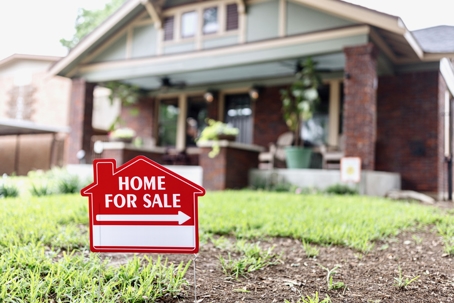
For many couples, the marital home represents stability, memories, and a significant financial investment. When a divorce begins, deciding what happens to that home can feel overwhelming, especially when emotions are already running high. Questions about timing, fairness, and future housing often surface early in the process.
For people going through divorce in Warren, NJ, understanding how the marital home is handled under New Jersey law can bring clarity during an uncertain time. With the right information, it becomes easier to approach this decision with confidence and a sense of direction.
If concerns about the marital home are creating urgency, consider reaching out through our online contact form or calling (908) 274-3028 to discuss options before important decisions are made.
Why The Marital Home Matters In A Divorce
The marital home is often one of the most valuable assets shared by spouses. It may also be tied to practical concerns such as children’s schooling, daily routines, and financial stability.
In a divorce, the home is not just a place to live. It is a marital asset that must be addressed as part of the overall division of property. How it is handled can affect both parties’ finances long after the divorce is finalized.
Understanding the role of the marital home helps set realistic expectations and encourages thoughtful decision-making.
Is The Marital Home Always Sold?
Selling the marital home is common, but it is not required in every divorce. Some couples agree that one spouse will remain in the home while the other receives compensation through other assets.
Whether selling is the right choice depends on several factors, including affordability, market conditions, and long-term plans. In many cases, selling allows both parties to move forward financially without ongoing ties to the property.
A Warren divorce attorney can help evaluate whether selling the home aligns with broader divorce goals.
How New Jersey Law Treats The Marital Home
New Jersey follows the principle of equitable distribution. This means marital property is divided fairly, though not always equally.
If the home was purchased during the marriage, it is generally considered marital property, regardless of whose name appears on the deed or mortgage. Even homes owned before marriage may have a marital portion if shared funds were used to pay the mortgage or make improvements.
Understanding how equity is calculated is essential before deciding to sell or transfer ownership.
When Selling The Marital Home Makes Sense
Selling the home can simplify the divorce process and provide a clean financial break. It may be especially helpful when neither spouse can afford the home independently or when maintaining the property creates financial strain.
Some situations where selling is often considered include:
- The mortgage and upkeep are no longer affordable on one income
- Both spouses want a fresh start after the divorce
- Equity from the sale is needed to divide assets fairly
After reviewing these factors, many couples find that selling the home creates clarity and reduces future conflict.
Timing The Sale During Divorce
The timing of a home sale can significantly affect the outcome. Some couples sell the home before the divorce is finalized, while others wait until after an agreement is reached.
Selling before finalizing the divorce can make asset division more straightforward. However, it also requires cooperation and clear agreements about listing price, offers, and closing costs.
Waiting until after the divorce may allow one spouse to remain temporarily, but it can also delay financial resolution. Each approach has advantages and challenges that should be carefully weighed.
Who Lives In The Home While It Is For Sale?
Living arrangements during the sale period can be a sensitive topic. In some cases, one spouse stays in the home with the children while the property is on the market. In others, both spouses move out to reduce tension.
Courts and agreements may address who pays the mortgage, utilities, and maintenance during this time. Clear terms help prevent misunderstandings and additional disputes.
Discussing these details early can make the selling process smoother for everyone involved.
Dividing Proceeds From The Sale
Once the marital home is sold, the proceeds are typically divided between the spouses. This division reflects each party’s share of the home’s equity after paying off the mortgage and related expenses.
Proceeds may be split equally or adjusted based on other factors, such as contributions to the home or agreements made during the divorce. In some cases, proceeds are used to offset other marital assets rather than being divided evenly.
A clear understanding of how sale proceeds fit into the overall divorce settlement is essential.
Tax Considerations When Selling The Marital Home
Selling a home during a divorce can have tax implications that are often overlooked. Capital gains taxes may apply if the home has significantly increased in value, though certain exclusions may reduce or eliminate tax liability.
Timing the sale and structuring the agreement carefully can help minimize unexpected financial consequences. While tax professionals handle specific calculations, legal guidance helps ensure these considerations are addressed in the divorce process.
Being informed about potential tax issues prevents unpleasant surprises later.
Preparing The Home For Sale During Divorce
Selling a home during divorce adds emotional complexity to an already challenging situation. Preparing the home for sale requires cooperation, even when communication feels difficult.
Key steps often include:
- Agreeing on a real estate agent
- Setting a listing price based on market conditions
- Deciding how repairs or staging costs will be handled
Once these decisions are made, the sale process often becomes more manageable and less stressful.
What Happens If Spouses Cannot Agree?
Disagreements about selling the marital home are not uncommon. One spouse may want to sell quickly, while the other may resist due to emotional attachment or financial concerns.
When negotiations stall, the court may step in to make decisions about the home. This can include ordering a sale or determining temporary arrangements until the divorce is resolved.
Working with a Warren divorce attorney can help explore options and reduce the likelihood of court intervention.
Selling The Home When Children Are Involved
When children live in the marital home, selling the property can feel especially difficult. Parents often worry about disrupting routines or adding instability during an already emotional time.
In some cases, parents agree to delay the sale until a certain milestone, such as the end of a school year. In others, selling sooner allows for a more stable financial foundation moving forward.
Balancing emotional and practical concerns is key when children are part of the decision.
Emotional Challenges Of Selling The Marital Home
Beyond finances, selling the marital home can carry emotional weight. It may symbolize the end of a chapter and bring feelings of loss or uncertainty.
Acknowledging these emotions is important. While the legal process focuses on property division, the personal impact should not be ignored.
Having clear information and thoughtful guidance can make the transition feel less overwhelming.
Selling The Marital Home During Divorce With A Warren Divorce Attorney
Selling the marital home during divorce involves legal, financial, and emotional considerations. Understanding how New Jersey law approaches property division and knowing the available options can help individuals make informed decisions.
For those navigating divorce in Warren, working with a Warren divorce attorney can provide clarity during this process. DeTommaso Law Group, LLC offers guidance tailored to individual circumstances, helping people understand their options regarding the marital home. To learn more, complete our online contact form or call (908) 274-3028 to discuss next steps.