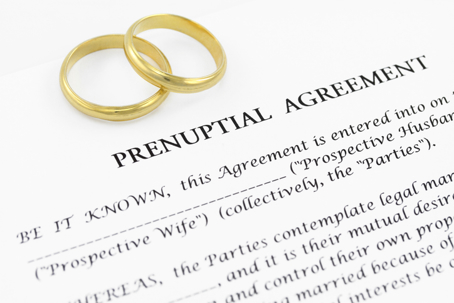
Mention a prenup and many people picture a wealthy couple, a long list of conditions, and a marriage that starts with suspicion. A prenuptial agreement is usually more practical than that. It is a written contract, signed before the wedding, that sets out how certain financial matters would be handled if the marriage ends or if one spouse dies.
Interest in these agreements has grown. A Harris Poll survey conducted for Bloomberg News found that 53% of engaged or married Americans under 45 reported signing one, and that women account for close to half of prenup requests.
Wider adoption has not settled how these agreements work, though, and a few assumptions tend to come up first.
Common Misconceptions About Prenuptial Agreements
One common assumption is that a prenup is only for people with significant wealth. A home, retirement savings, a professional practice, or an expected inheritance can all be worth addressing, which is part of why prenups are not just for the rich and famous.
Another is that raising the subject signals distrust. For some couples, an open conversation about money before the wedding can strengthen a marriage rather than strain it. How that conversation goes often depends on how and when it starts.
A third misconception is that a signed prenup can never be questioned. As covered below, that depends on how the agreement was created.
What a Prenuptial Agreement Can Address
New Jersey's premarital agreement statute allows couples to address a range of subjects, provided the terms do not violate public policy.
Depending on the couple's circumstances, an agreement may cover the following:
- Property rights. The agreement can state which assets and debts each person owns and how they would be treated if the marriage ends.
- Management of property. Couples can set expectations for how certain assets are used and controlled during the marriage.
- Spousal support. The agreement may set terms for alimony, subject to the statute and public policy.
- Estate matters. Spouses can address what each person may or may not receive from the other's estate.
There are limits. An agreement generally cannot reduce a child's right to support, and decisions about child support and custody remain subject to court oversight based on the child's best interests.
Protecting Separate Property with a Prenuptial Agreement
Separate property generally includes assets a person owns before the marriage, and gifts or inheritances received by one spouse individually. Because New Jersey courts divide marital property through equitable distribution, which is not always an even split, the line between marital and separate property can shape the outcome of a divorce.
That line can blur over time. An inheritance deposited into a joint account, or a premarital home paid down with marital income, may become harder to trace. A prenup can set rules for those situations in advance, so each person's expectations are documented before assets are mixed.
Business Ownership & Inheritance Concerns
For a business owner, a prenup may address whether a company owned before marriage stays separate, how any growth in its value is treated, and what role a spouse's work in the business might play. Co-owners and operating agreements can also affect what an owner can agree to, so those documents are worth reviewing alongside the prenup. Our post on how divorce can affect a shared business shows why these questions are often easier to settle before a dispute exists.
Inheritance concerns tend to arise in similar ways. A person who expects to receive family property or has children from a prior relationship may want the agreement to reflect those plans. It can also be helpful to coordinate the prenup with estate planning documents so the two do not conflict.
Debt Protection Before Marriage
A prenup is often discussed in terms of assets, but it can also address debt. Student loans, credit card balances, business loans, or a mortgage on a premarital home may all be part of the conversation. Spouses can agree among themselves on how particular debts would be allocated, and the default rules governing debt division in New Jersey divorces provide a useful baseline for deciding what, if anything, to change.
An agreement between spouses may not change what a lender or creditor can pursue. How accounts and loans are titled can still matter.
When Prenups May Be Challenged
Under New Jersey law, the person who claims a prenup is unenforceable carries the burden of proving it. The statute points to an agreement signed involuntarily, or one that was unconscionable when signed, with that second question tied to specific factors. A 2013 amendment shifted the focus to the circumstances at signing rather than the circumstances years later, which can matter for older agreements.
Factors that often come up when an agreement is questioned include the following:
- Voluntariness. A court may consider whether a party signed freely or felt pressured, such as when the document arrived shortly before the wedding.
- Financial disclosure. The statute looks at whether each party received full and fair disclosure of the other's earnings, property, and obligations.
- Knowledge of finances. It also considers whether a party had, or reasonably could have had, adequate knowledge of the other's finances.
- Independent counsel. The statute considers whether a party consulted independent legal counsel or expressly waived that opportunity in writing.
How these factors apply depends on the facts of each case. Online templates can leave gaps in exactly these areas, and DIY prenups can lead to legal problems that are difficult to repair later. A poorly drafted or one-sided agreement can also leave a couple worse off than if they had no agreement at all.
Why Timing & Transparency Matter
Time gives both people room to review the document, ask questions, and consult their own attorneys. Waiting until the final days before the wedding can raise questions about whether the agreement was signed freely, and our post on signing too early or too late looks at how timing can affect an agreement.
Starting early can also help when one partner is hesitant. Our guidance on what to do when only one partner wants a prenup reflects that an unhurried, honest discussion often goes further than a document handed over late.
Complete and accurate disclosure gives the agreement a firmer footing if it is ever called into question. Plain language, clear terms, and review by both sides are all part of a strong prenuptial agreement. Couples who are already married and considering a similar arrangement may want to consider postnuptial agreements in New Jersey.
Plan Ahead with Our Family Law Team
DeTommaso Law Group, LLC helps individuals evaluate their options in family law matters, including prenuptial agreements and the questions that can follow if a marriage later ends in divorce. We can review your circumstances, explain how New Jersey law may apply, and help you prepare an agreement that reflects your goals.
Call (908) 274-3028 or contact us online to discuss your situation.